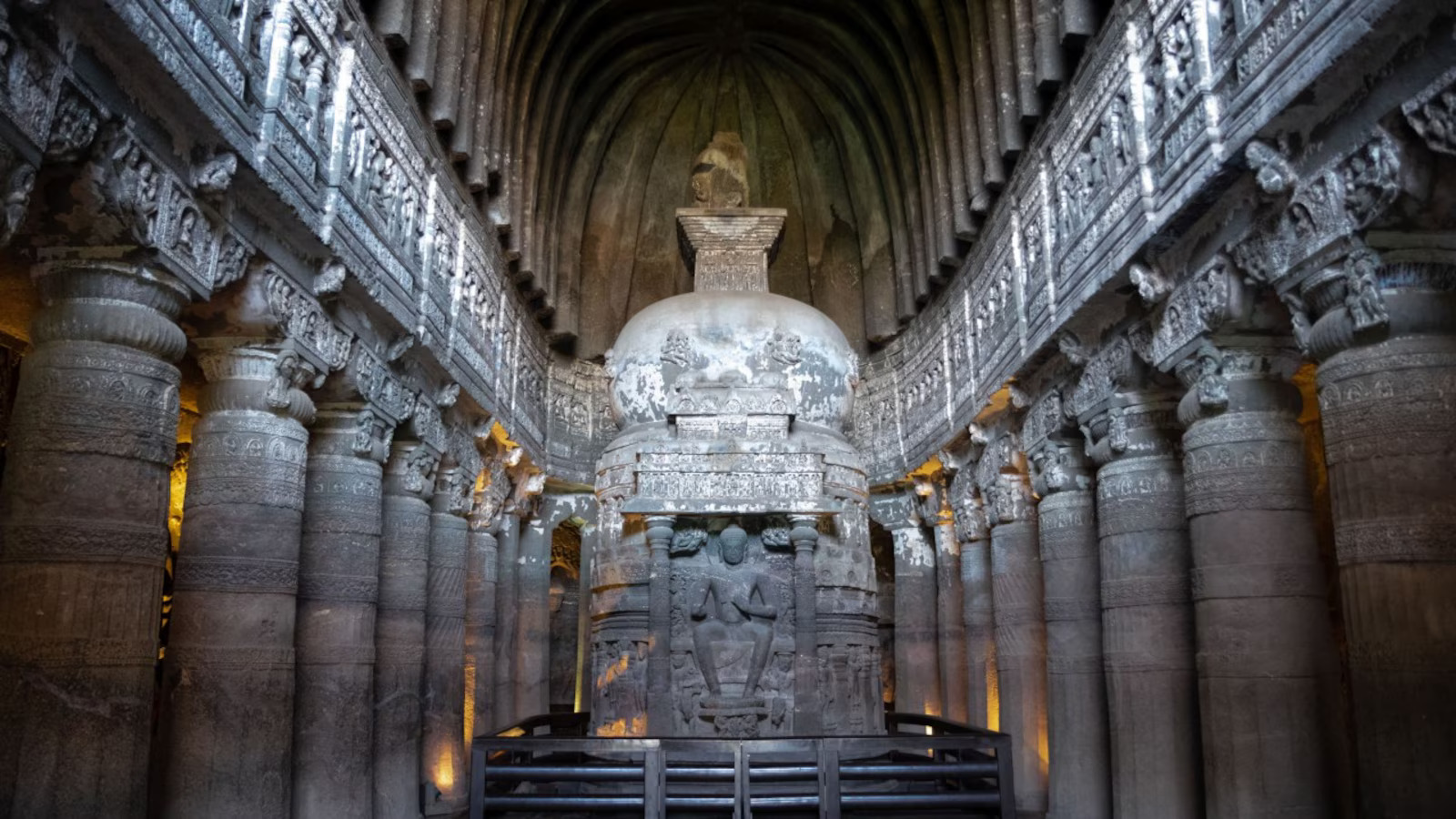
Ajanta Caves
Dating from the 2nd century BCE to about 480 CE, the Ajanta Caves are universally regarded as masterpieces of Buddhist religious art. Nestled in a horseshoe-shaped gorge of the Waghur River, these 30 rock-cut cave monuments boast incredibly preserved mural paintings and rock-cut sculptures that vividly depict the past lives and rebirths of the Buddha, pictorial tales from Aryasura's Jatakamala, and fascinating glimpses into ancient Indian society.
- Timings: 9:00 AM - 5:00 PM (Closed Mondays)
- Entry Fee: Children below 15 years (Free Entry) Indian citizens: Indian, SAARC and BIMSTEC Countries Rs.40/- Foreign National: Rs.600/
- Distance: ~100 km from Chhatrapati Sambhajinagar
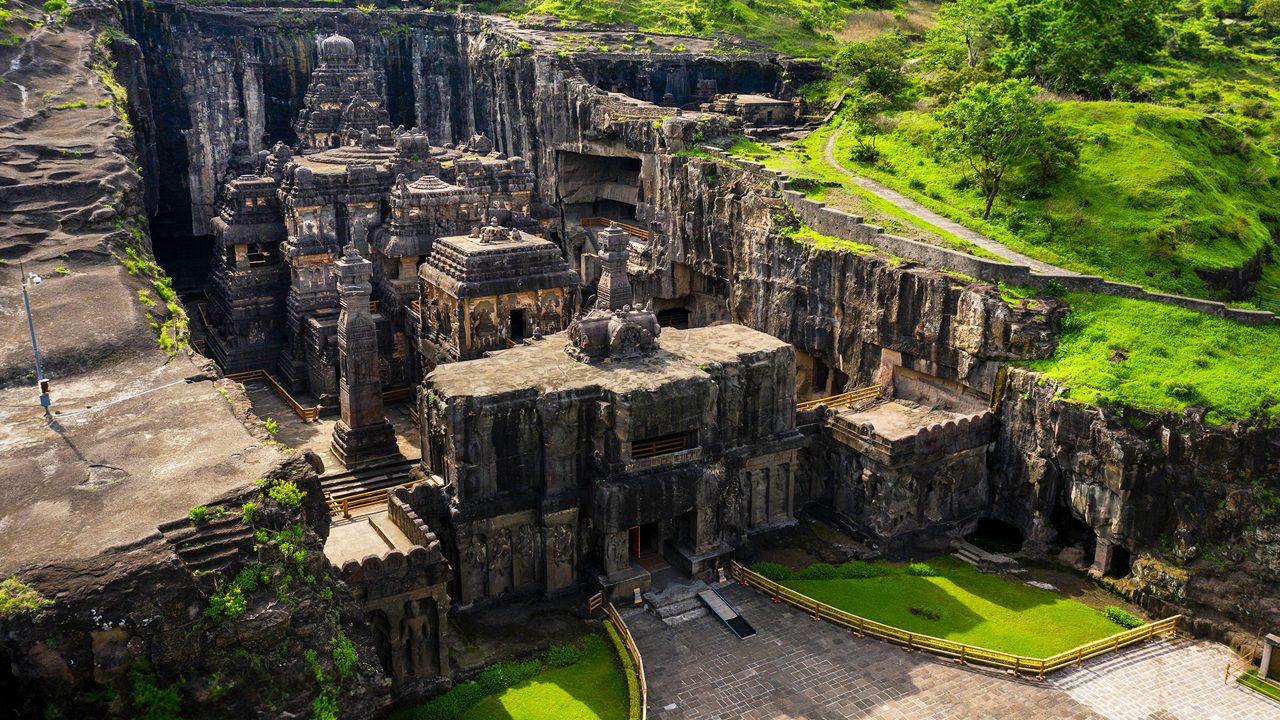
Ellora Caves
Carved deep into the Charanandri hills between the 6th and 13th centuries CE, the Ellora Caves are a spectacular testament to religious harmony in ancient India. It features 34 magnificent monumental caves encompassing Buddhist, Hindu, and Jain temples sequentially built side-by-side. The crowning glory of Ellora is the awe-inspiring Kailasa Temple (Cave 16), an architectural marvel carved from a single, massive piece of solid bedrock—representing Mount Kailasha, the Himalayan abode of Lord Shiva.
- Timings: Sunrise to Sunset(Closed on Tuesday)
- Entry Fee: Children below 15 years(Free Entry) Indian citizens: Indian, SAARC and BIMSTEC Countries Rs.40/- | Foreign National: Rs.600/
- Distance: ~30 km from Chhatrapati Sambhajinagar
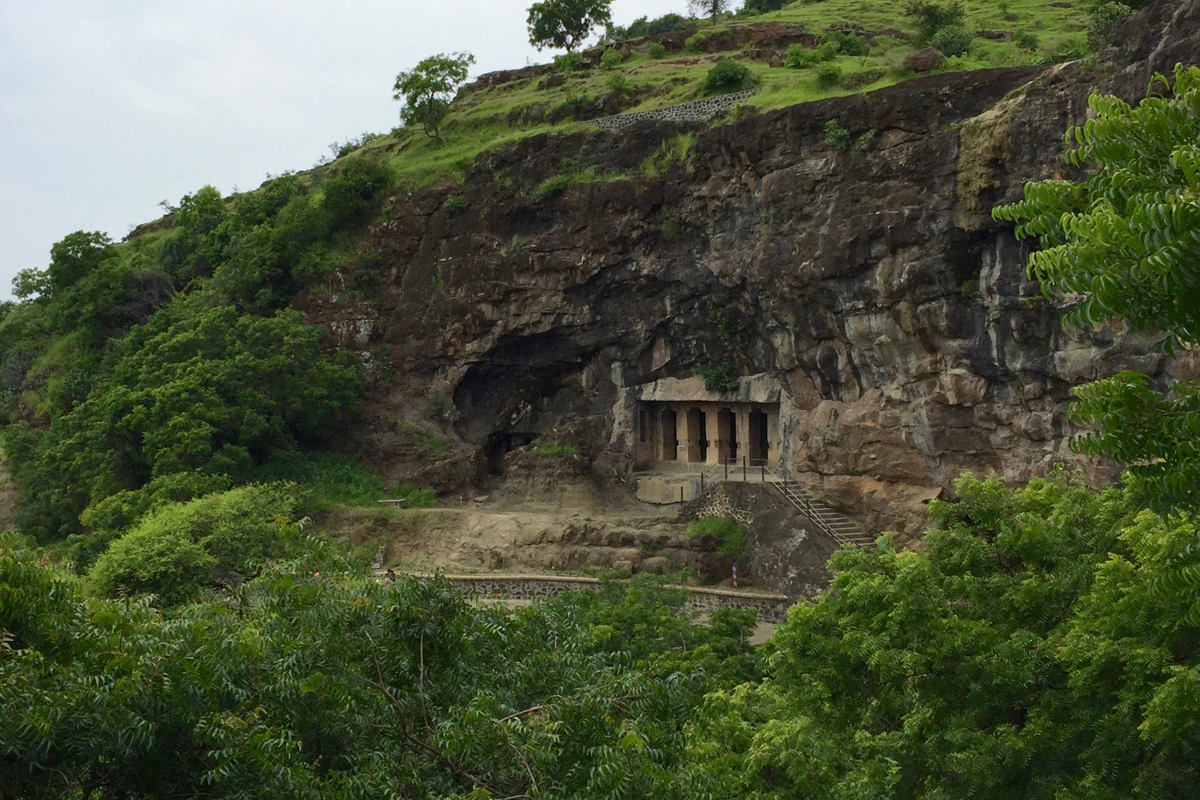
Aurangabad Caves
Often overshadowed by Ajanta and Ellora, the Aurangabad Caves are twelve artificial rock-cut Buddhist shrines located on a hill running roughly east to west, close to the city. Dug out of soft basalt rock during the 6th and 7th century, these caves are notable for their richly-sculpted pillars, detailed deity reliefs, and serene, contemplative atmosphere. They afford a panoramic view of the Bibi Ka Maqbara and the vast Dukhna valley.
- Timings: 9:00 AM - 5:00 PM (Everyday)
- Entry Fee: Indian citizens: Rs.25/- | Foreign National: Rs.300/
- Location: Within Chhatrapati Sambhajinagar
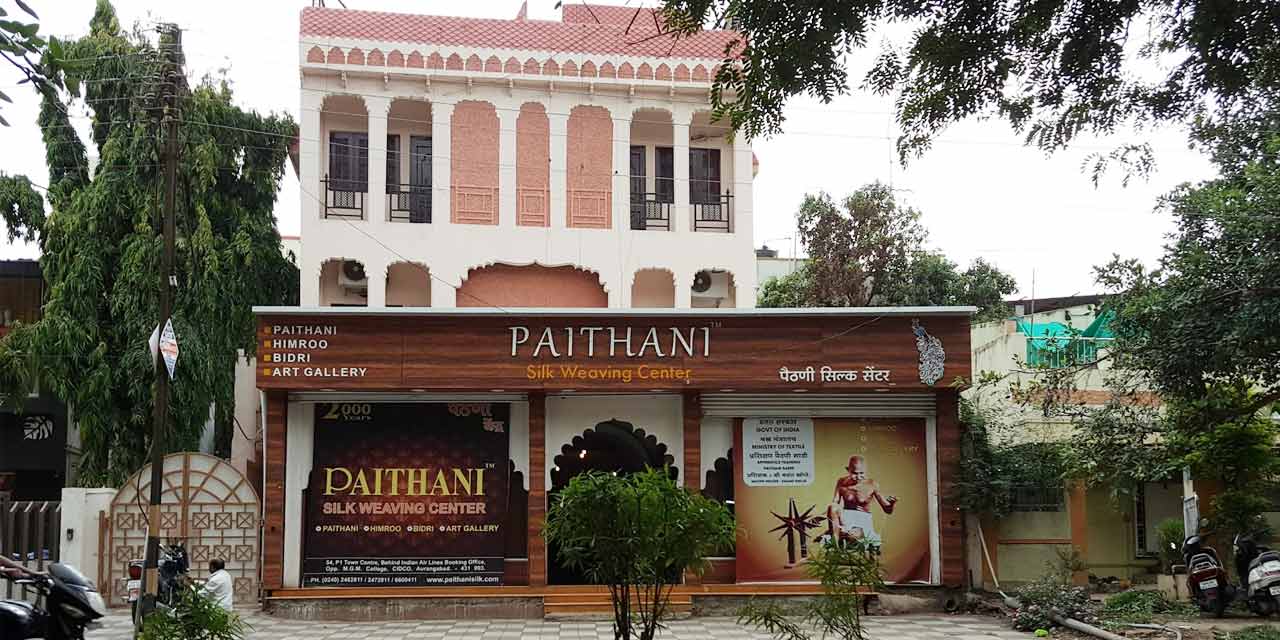
Paithani himroo Weaving Centre
Discover the magic of Maharashtra's heritage textile. The Paithani sari is renowned worldwide for its richness and exquisite craftsmanship, characterized by borders of oblique square design and a pallu with a Peacock design. At the authentic weaving centers, you can witness master artisans operating traditional handlooms, weaving incredibly fine silk and gold thread (zari) using techniques that have been preserved and passed down for over 2000 years.
- Timings: 9:00 AM - 7:00 PM (Everyday)
- Entry Fee: Free
- Location: Chhatrapati Sambhajinagar / Ellora
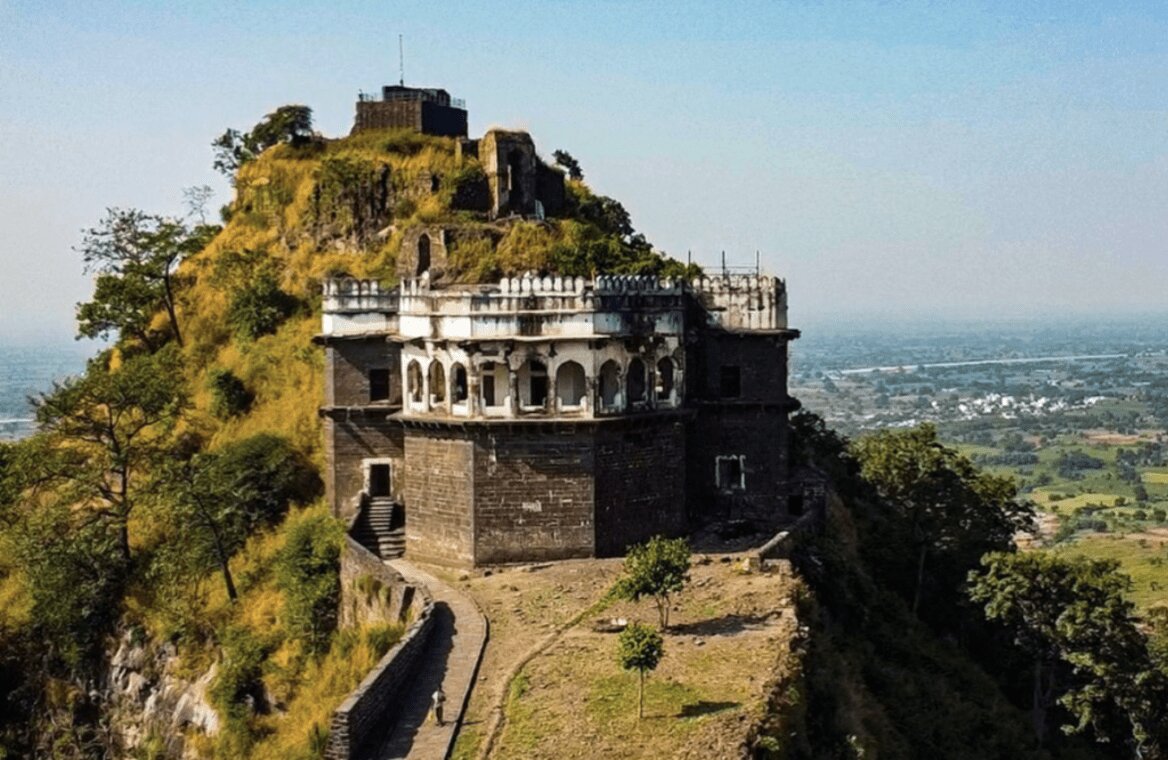
Daulatabad Fort
Built on a 200-meter high conical hill, Daulatabad Fort is one of the most powerful and strategic forts in India. Known as Devagiri in its early glory days, it features a complex series of layered defenses, secret subterranean passages (Andhari), and a stunning panoramic view from its summit. It temporarily served as the capital of the Tughlaq dynasty under Muhammad bin Tughluq.
- Timings: 7:00 AM - 6:00 PM (Everyday)
- Entry Fee: Indian citizens: Rs.25/- | Foreign National: Rs.300/
- Location: ~15 km from Chhatrapati Sambhajinagar
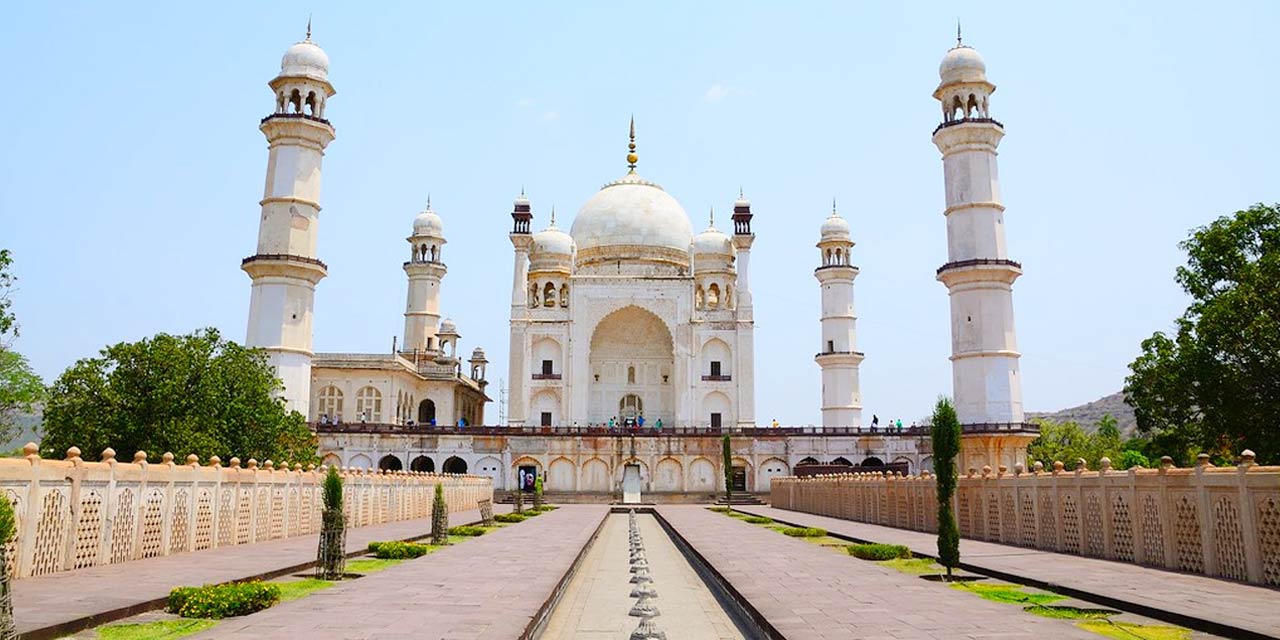
Bibi Ka Maqbara
Commissioned by Mughal Emperor Aurangzeb in the late 17th century in memory of his first wife, Dilras Banu Begum, the Bibi Ka Maqbara bears a striking resemblance to the famous Taj Mahal. It is often called the "Taj of the Deccan." The beautiful mausoleum is laid out in a Charbagh formal garden set against the backdrop of the Sihachal ranges.
- Timings: 8:00 AM - 8:00 PM (Everyday)
- Entry Fee: Indian citizens: Rs.25/- | Foreign National: Rs.300/-
- Location: Within Chhatrapati Sambhajinagar
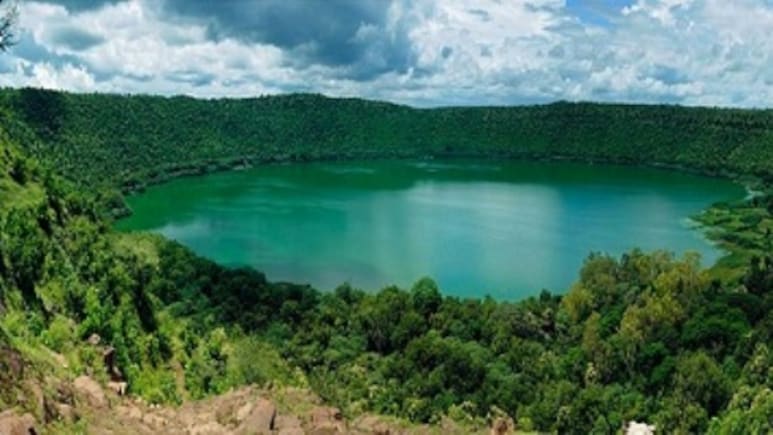
Lonar Crater Lake
Lonar Lake is a profound, notified National Geo-heritage Monument located at Lonar. It is an astronomical marvel, created by a meteorite impact during the Pleistocene Epoch. Characterized by a perfectly circular basin in basaltic rock, the highly saline and alkaline lake sustains a unique ecosystem and the surroundings are dotted with ancient temples.
- Timings: Open 24 Hours (Best during daylight)
- Entry Fee: Free
- Distance: ~140 km from Chhatrapati Sambhajinagar
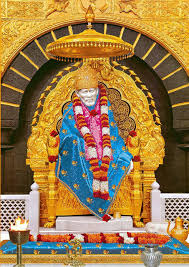
Shirdi Sai Baba Temple
Shirdi is one of India's most important pilgrimage destinations, famously known as the home of the revered spiritual leader Sai Baba. Millions of devotees visit the Sai Baba Samadhi Mandir each year to seek blessings. The town emanates a deep sense of peace, faith, and devotion, housing vital sites like Dwarkamai and Chavadi connected to Baba's life.
- Timings: 4:00 AM - 11:15 PM (Everyday)
- Entry Fee: Free (Paid passes available for special Aarti/Darshan)
- Distance: ~120 km from Chhatrapati Sambhajinagar
Shani Shingnapur
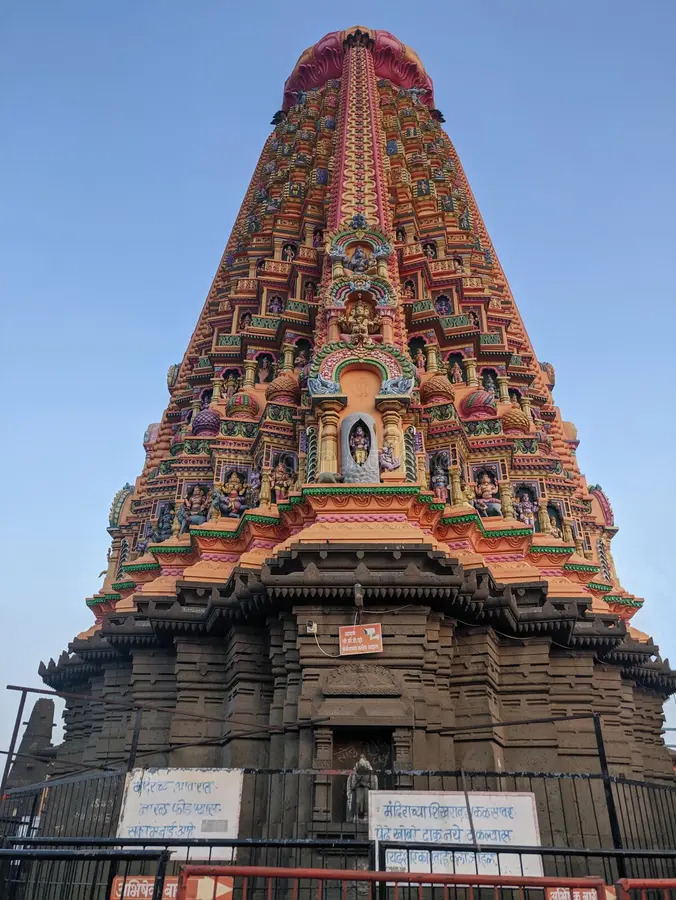
A unique village deeply rooted in faith, Shani Shingnapur is famous worldwide for the fact that no house in the village has doors, only door frames. The residents believe that Lord Shani (personification of the planet Saturn) protects them from theft. The open-air temple with the swayambhu (self-evolved) black stone idol of Lord Shani is the centerpiece of devotion here.
- Timings: Open 24 Hours (Everyday)
- Entry Fee: Free
- Distance: ~170 km from Chhatrapati Sambhajinagar